
Start Here: Your Field Guide to the Weird, Wonderful World of Meshune
You landed on the blog page — so consider this your welcome mat. Here's what Meshune is about, where to start reading, and why the edges of culture are the best place to hang out.
Category
12 articles
You landed on the blog page — so consider this your welcome mat. Here's what Meshune is about, where to start reading, and why the edges of culture are the best place to hang out.
A growing wave of artists is deliberately making work that won't last — sand mandalas, ice sculptures, chalk labyrinths — as a direct challenge to commodity culture and the Instagram archive. These creators aren't being careless. They're being radical. And the people who show up to witness the disappearance are the whole point.
Forget the department store spritz and the celebrity-endorsed bottle shaped like a body part. A new generation of independent perfumers is making scents that smell like burning rubber, old libraries, wet concrete, and things you can't quite name — and calling it art. They're not trying to make you smell good. They're trying to make you feel something.
While Hollywood debates frame rates and AI-generated VFX, a scrappy underground of indie filmmakers is loading expired 35mm stock into battered cameras and making movies the hard, expensive, irreproducible way. They're not being nostalgic — they're being intentional. And the results are unlike anything an algorithm could produce.

A new wave of young designers is deliberately blowing up the rulebook—embracing noise, corruption, and digital ugliness as a fully intentional creative language. Far from accidental, this 'glitch-as-gospel' philosophy is reshaping how an entire generation communicates visually, and it's making the design establishment deeply uncomfortable.
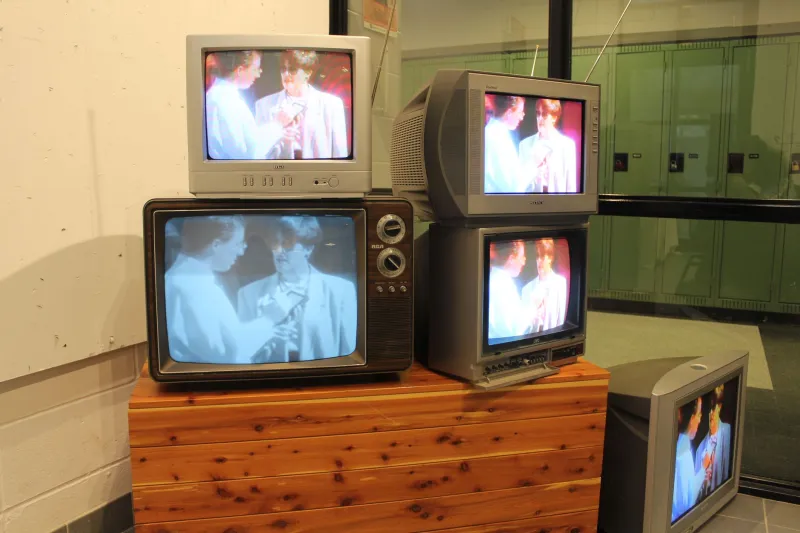
From gutted VCRs to stacked CRT monitors humming with corrupted signal, a loose collective of American artists is turning e-waste into some of the most compelling conceptual work hitting galleries right now. They're not just recycling junk — they're forcing us to sit with what we threw away, and why.
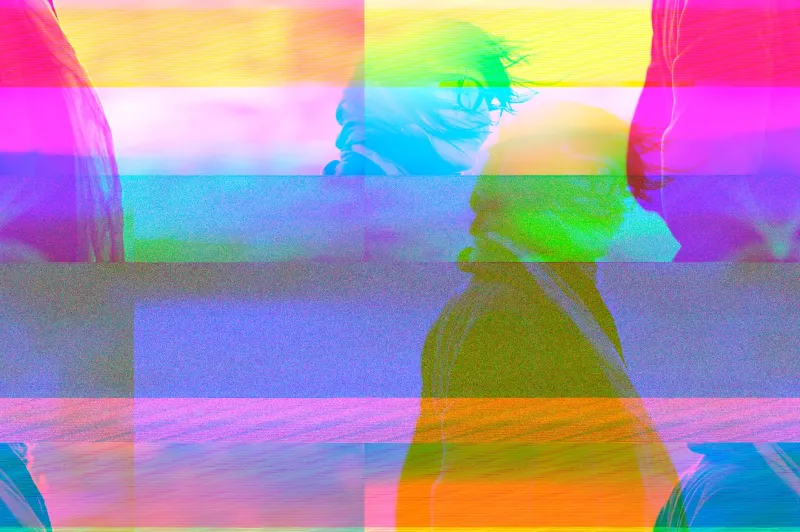
Forget the flawless feed. A growing wave of artists is deliberately breaking digital tools—corrupting files, hijacking compression algorithms, and embracing the beautiful wreckage of system failure. Glitch aesthetics have evolved from a nerdy subculture curiosity into a full-blown countercultural visual language, and Gen Z is leading the charge.

Forget pristine renders and pixel-perfect polish. A growing wave of artists is deliberately breaking their tools, corrupting their files, and embracing digital chaos as the rawest form of creative truth. Glitch aesthetics have crawled out of the underground and into galleries, album covers, and fashion runways — and honestly, it's about time.
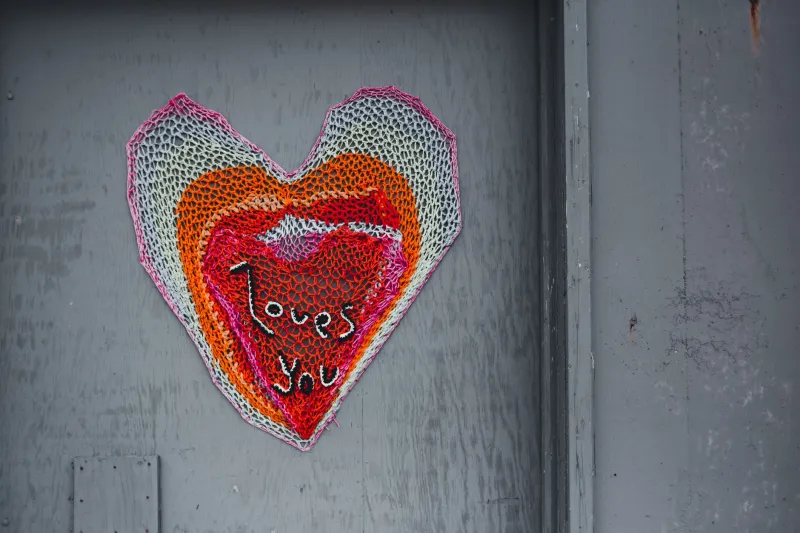
A scrappy, passionate generation of textile artists is turning thread into a weapon — reclaiming public space, honoring erased histories, and stitching together a counterculture that refuses to be neatly folded away. From yarn bombers in Chicago alleyways to queer weavers in Portland studios reviving Indigenous patterns, the underground fiber scene is louder and more urgent than ever. But as Instagram algorithms and Etsy storefronts start circling, the question is whether visibility will preserv
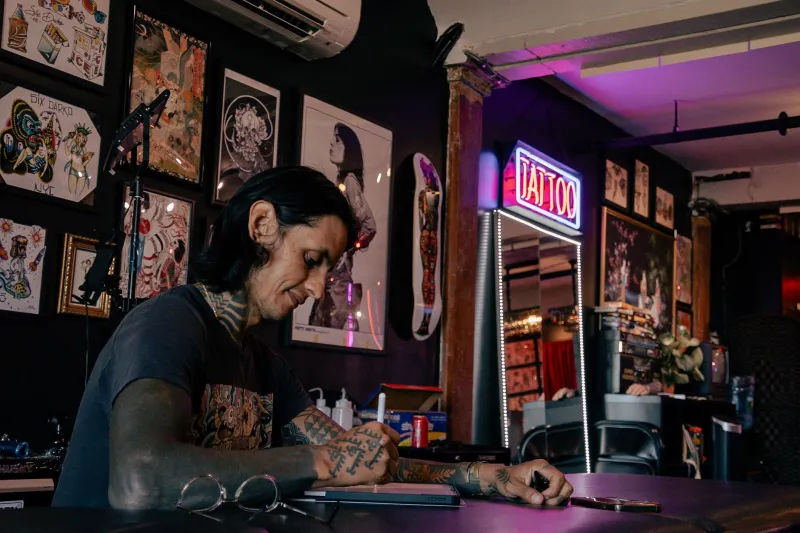
Across basements, kitchen tables, and spare bedrooms from Portland to Atlanta, a generation of self-taught tattoo artists is dismantling the gatekeeping culture of traditional shops — one hand-poked line at a time. They're not waiting for permission, and the work they're making is stunning. Here's why the underground is where body art is actually alive right now.

The most jaw-dropping public art in America isn't in New York or LA — it's painted on grain silos in Kansas, tucked into alleyways in Macon, and sprawling across water towers in towns most GPS systems barely acknowledge. We went looking for it, and what we found changed how we think about who gets to make culture.
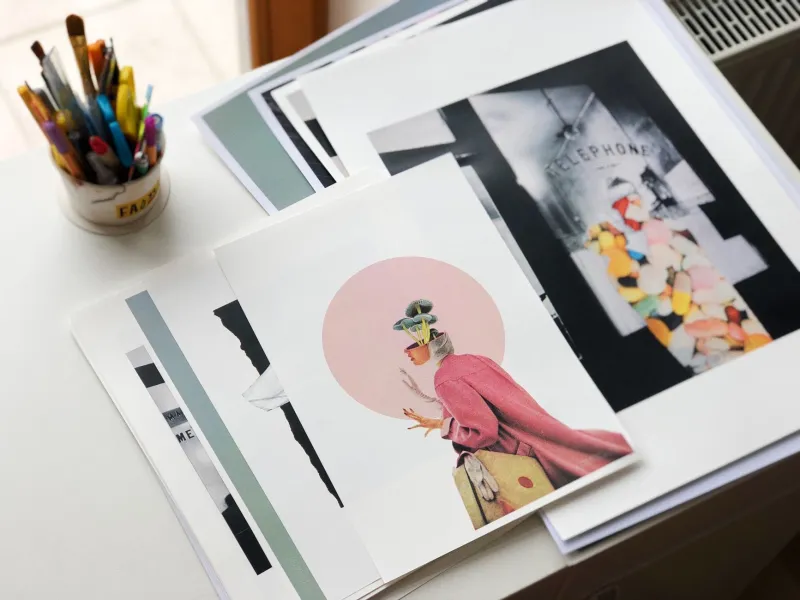
Forget the algorithm. Across the US, a new generation of creators is folding, stapling, and risograph-printing their way into a full-blown cultural moment. Zines are back — and this time, they're not just a niche hobby; they're a genuine revolt against the homogenized scroll.